

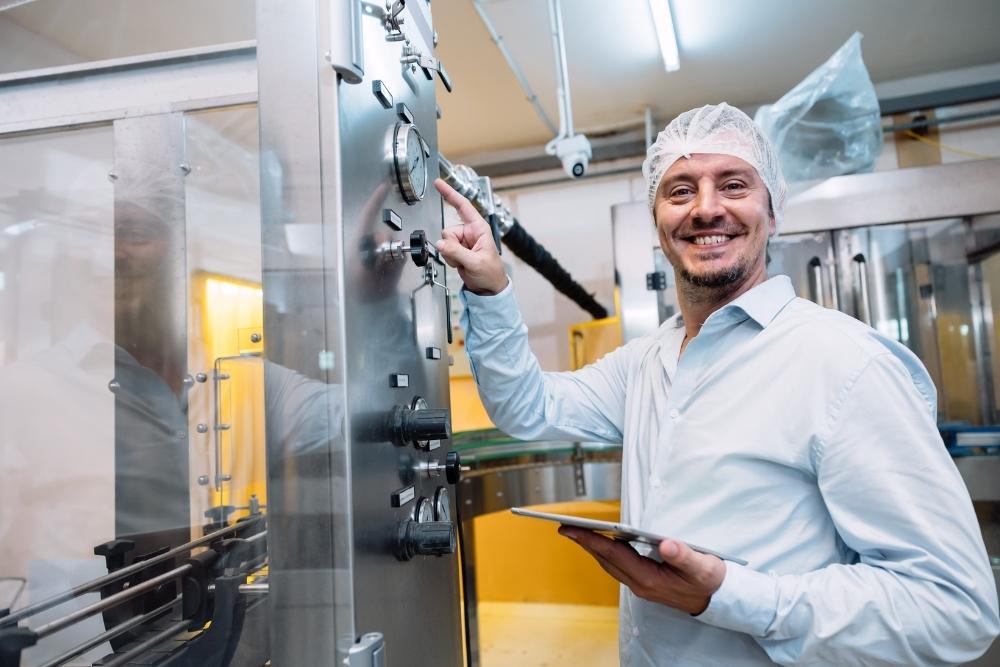
How to Reduce Turnover on Food Production Lines
Staff retention in food manufacturing has become almost as big a challenge as onboarding new employees.
According to the Food and Drink Federation’s State of Industry Report, staff retention in food manufacturing is currently running at roughly half the level seen in other manufacturing industries. That stat alone tells you something about the scale of the retention challenge that the sector is facing.
Understanding why food factory workers leave is the first step toward addressing it.
The reasons tend to cluster around a few familiar themes: poor induction, lack of progression, inconsistent training, and a feeling that they were simply thrown in at the deep end. None of those problems is inevitable, and many of them can be mitigated through better training systems.
The Real Cost of Poor Staff Retention in Food Manufacturing
Every time someone walks off the line and doesn’t come back, there’s a tangible financial hit to your business.
Research suggests that replacing a UK employee typically costs in the region of £25,000 once you factor in recruitment, onboarding, and lost productivity. When discussing staff retention in food manufacturing specifically, that adds up fast, as turnover is generally higher than many other sectors.
But the costs aren’t only financial.
When experienced operators leave, they take their knowledge with them. The next person to step into that role has to start again from scratch. If your training setup isn’t consistent, that new starter has to piece together what they need to know from whoever happens to be available to show them.
Why Food Factory Workers Leave in the First 90 Days
The first three months are where retention is won or lost. Research consistently shows that a significant share of employee exits happen within this window, and food manufacturing is no exception.
Operators who arrive without a clear understanding of their role, their equipment, or what’s expected of them are far more likely to leave than those who feel confident and supported from day one.
The most common triggers for early exits in a food factory setting tend to be:
- Feeling overwhelmed on the line
- A lack of clarity around procedures
- Language barriers that make written instructions difficult to follow
- A sense that training was rushed or incomplete.
These aren’t character flaws in new starters as much as symptoms of an induction process that isn’t working hard enough.
How Training Directly Affects Staff Retention in Food Manufacturing
Great Place to Work research found that 74% of employees at the UK’s best manufacturing workplaces say they are offered training and development to further themselves professionally, compared to just 57% at average organisations. The gap is significant, and it has a direct bearing on how long people choose to stay.
For food factories specifically, the training challenge is more complex than in many industries. Operators often come from diverse backgrounds, some with very little English as a first language. Machinery like multihead weighers requires precise, equipment-specific skills.
And high-volume, fast-paced packing environments leave little room for the kind of extended classroom learning that might work elsewhere. Training needs to be accessible, practical, and quick to embed.

Want to Keep Skilled Operators in your Food Factory?
We work with food factories across the UK to build training that actually sticks. Get in touch to find out how our courses can help you reduce turnover and keep your best operators on the line.
Practical Ways to Reduce Turnover on Food Production Lines
Improving retention doesn’t require a complete overhaul of how you run your factory. It requires targeted, deliberate improvements in a few key areas. Training is the most actionable lever most operations managers have at their disposal.
Use Bite-Sized Modules to Build Confidence Quickly
Long induction sessions tend to overwhelm new starters rather than prepare them.
A better approach is to break training into short, focused modules that can be completed on any device, at any time. Each module tackles a specific task or concept so operators can build skills progressively without feeling buried under information they can’t yet apply.
Our Weighing and Packing introductory module, for example, is built around exactly this principle. Rather than giving an operator everything at once, it targets the specific skills that matter most on the line. This means that it is highly effective as a refresher for experienced staff as well as a structured starting point for new joiners.
Equipment-Specific Training Keeps Skilled Operators in Food Factories
In food factories, operators need to understand the specific equipment they’re working with, rather than a generalised version of it. When training is tailored to the machinery and processes your team actually uses, you’ll see a real uptick in general competence. That sense of competence is a strong driver of retention.
This is something we’ve built directly into our training approach.
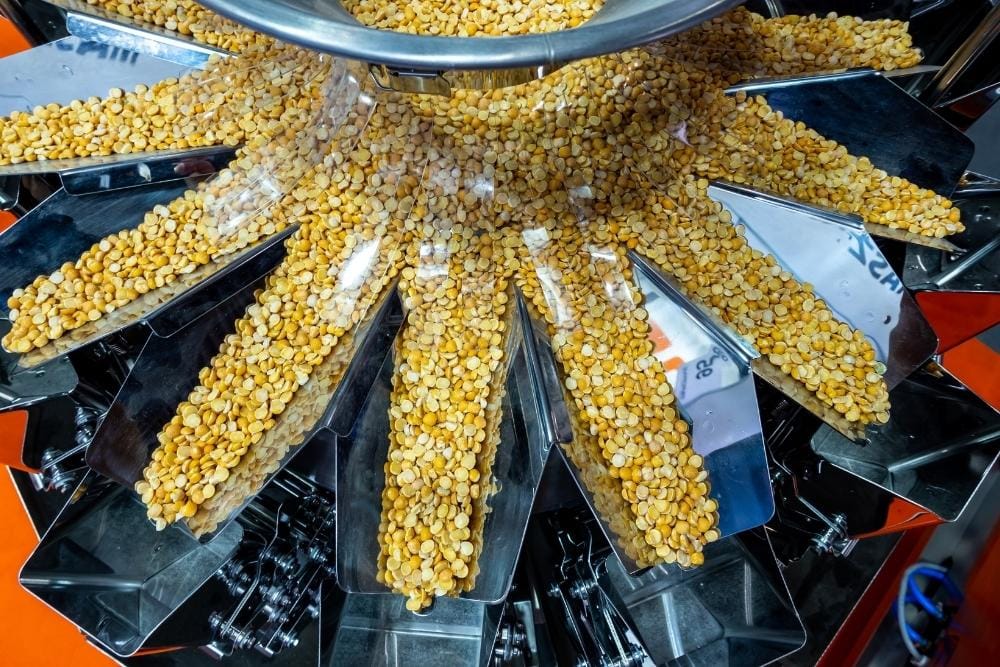
Our multihead weigher modules, for instance, are designed specifically for factories where that equipment is central to the line. Operators complete focused micro-modules that develop precision and accuracy, reducing both downtime and the errors that tend to drive frustration and early exits.
Want to Improve Staff Retention in Food Manufacturing? Start With Training.
If you’re looking to improve staff retention in food manufacturing, training is the most practical place to start.
At Foodability, we’ve built our courses from the ground up with food factory operators in mind. Whether your team needs a solid induction foundation, equipment-specific skills training, or compliance modules that are clear enough to actually land, we have a course for it.
Browse our full range of courses or contact us to talk through what would work best for your facility.
FAQs
Why do food factory workers leave so quickly?
Food factory workers often leave in the first 90 days due to inadequate induction, unclear procedures, language barriers, and feeling overwhelmed on the line. Poor training is the single most common and avoidable contributing factor.
How does better training improve staff retention in food manufacturing?
Effective training builds operator confidence and competence from day one. Workers who feel capable and supported are significantly more likely to remain in their role. Consistent, accessible training removes the uncertainty that drives early exits.
What is the best way to reduce turnover on food production lines?
Standardise your induction with structured, on-demand training modules. Equipment-specific and compliance training helps operators feel competent quickly. Reducing the knowledge gap in the first 90 days is the most effective lever for cutting line turnover.
Can online training really help keep skilled operators in food factories?
Yes. Online training delivers consistent, accessible learning regardless of shift patterns or language background. Operators can revisit modules as needed, which builds lasting competence and reduces the errors and frustration that typically lead to early exits.