
How to Train Staff to Spot Food Fraud
In September 2025, MPs warned that Britain is facing an illegal meat crisis, with smuggled meat moving through our ports and on to high streets. For QA and training managers, the more useful question is closer to home: how to train staff to spot food fraud before a suspect ingredient reaches your line. Most of the skills already sit inside your hazard training. Managing HACCP: Level 3 and Food Contamination: Manufacturing teach people to question what arrives and notice what looks wrong. Fraud awareness is the same habit aimed at a different risk.
For Starters
- A September 2025 parliamentary report shows criminal food supply chains are active in Britain.
- Food fraud covers substitution, mislabelling, adulteration and forged paperwork.
- Goods-in staff and line operators are best placed to notice when something is off.
- HACCP and contamination training already build the right habits, so fraud checks can sit inside them.
- A clear escalation route matters as much as sharp eyes.
Already Training for Hazards? Build On It.
The people who check raw materials for contamination are the same people who can catch fraud. Get in touch to find out how Foodability can support your goods-in and line teams.
What Does the EFRA Report on Illegal Meat Say?
The Environment, Food and Rural Affairs (EFRA) Committee published Biosecurity at the Border: Britain’s Illegal Meat Crisis on 8 September 2025. It found that large volumes of meat and dairy are being smuggled into Great Britain for personal use and for sale, much of it by criminal operations. Around 235 tonnes of animal products were seized at the border in 2024, and frontline witnesses believe far more gets through undetected.
The report describes meat arriving unrefrigerated in vans, bin bags and suitcases, then turning up in markets, shops, takeaways and restaurants. It also cites National Food Crime Unit (NFCU) intelligence that foreign meat is being sold in Britain as British, with beef and pork the most frequently misrepresented.
The report focuses on biosecurity and personal import routes. It does not say this meat is reaching food factories. What it does show is that organised supply chains for cheap, misrepresented food operate in Britain, and that undocumented food has no traceability. That is where fraud becomes a factory concern.

Food Fraud in the Supply Chain
The NFCU defines food crime as serious fraud in food supply chains, with examples including adulteration, substitution, misrepresentation and document fraud. In 2025 it alerted industry to fraudulent laboratory certificates and to saffron adulterated with dye.
For a packing site, fraud usually takes four forms:
- Substitution: a cheaper ingredient, variety or species swapped in.
- Mislabelling: false claims about origin, grade or dates.
- Adulteration: something added to bulk out or colour a product.
- Paperwork fraud: certificates or specifications that have been altered or reused.
The head of the NFCU has described businesses as the first line of defence against food crime. In practice, that means your goods-in bay and your line.
Signs of Food Fraud in Food Manufacturing
At goods-in
- Batch codes, dates, supplier names or weights that differ between paperwork and label.
- Certificates with odd formatting, missing lab details or identical results across different batches.
- Labels stuck over other labels, spelling errors or health marks from an unexpected country.
- A new haulier, an unplanned delivery or a price that looks too good.
- Product that looks, smells or feels different from the approved sample.
On the line
Operators handle the same product every shift, so they notice change quickly. Product that flows differently through a weigher, gives unusual weights, changes colour or leaves unfamiliar residue deserves a question. A substituted ingredient can also carry an undeclared allergen, which is why Allergen Awareness training belongs in this conversation.
HACCP Training and Food Fraud Prevention
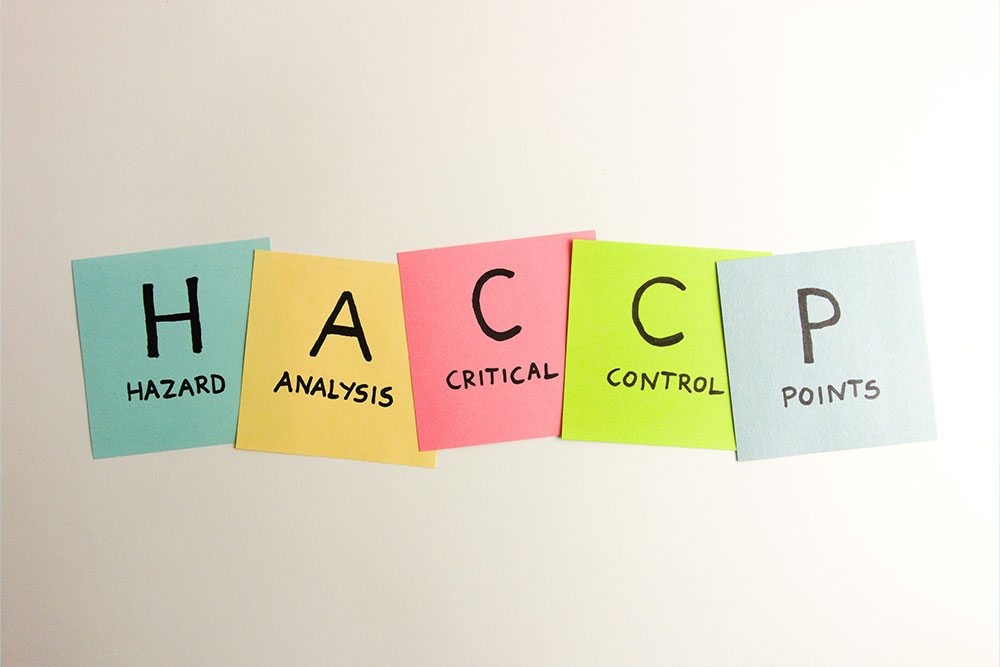
Your HACCP team already reviews each raw material for hazards. Adding one question (how likely is this to be faked, and would we notice?) turns that review into a basic vulnerability assessment. Managing HACCP: Level 3 gives supervisors the hazard analysis skills to run it well, and Food Contamination: Manufacturing covers the chemical, physical and allergenic hazards that adulteration often introduces.
The FSA’s free food fraud resilience self-assessment tool is a good starting point: the NFCU linked 10 disruptions of food crime in 2025 directly to businesses using it.
Top Tips: Food Fraud Training for Factory Workers in the UK
- Use real examples. Show genuine and suspect labels side by side.
- Keep it short and repeated. Five-minute refreshers at shift briefings stick.
- Make it visual. Photos and checklists help where English is a second language.
- Start at induction. Food Safety: Manufacturing Level 2 gives new starters the food law and traceability basics behind every check.
- Set an escalation route. Staff quarantine the product and tell QA. QA can report suspicions to the FSA’s Food Crime Confidential service on 0800 028 1180.
- Explain the stakes. Food Safety Matters: Manufacturing covers the legal and reputational fallout when standards slip.
Give Your Team the Skills to Spot What Doesn’t Belong
Foodability builds bite-sized online training for UK food factories and packing lines, designed with industry specialists and accessible on any device.
Our HACCP, contamination and food safety courses teach operators and supervisors to question what arrives, recognise hazards and act quickly. Those are the same skills that keep fraudulent ingredients off your line.
With high turnover and multilingual teams, short practical modules keep standards consistent across every shift. Explore our courses or get in touch to talk about training for your site.
FAQs
How do you train staff to spot food fraud?
Build fraud checks into the hazard training staff already receive. Show real examples of suspect labels and paperwork, give goods-in teams a simple checklist and set a clear reporting route. Short, regular refreshers keep the habit alive.
What are the signs of food fraud in a food factory?
Mismatched or altered paperwork is one of the most common warning signs. Others include relabelled packaging, unexpected supplier changes, unusually low prices and product that looks or behaves differently from the approved standard.
Is food fraud covered by HACCP?
Food fraud is usually assessed alongside HACCP rather than inside it. HACCP focuses on food safety hazards, while a vulnerability assessment looks at deliberate fraud. Many sites run both through the same team and the same raw material reviews.
Where do I report suspected food fraud in the UK?
In England, Wales and Northern Ireland, report it to the FSA’s National Food Crime Unit through Food Crime Confidential on 0800 028 1180. Quarantine the stock and keep all paperwork while you wait for advice.
Further Reading