

Consistency in Food Factory Operations
Believe it or not, there is a version of your production floor that runs exactly as it should.
Every operator knows their role. Every process is followed the same way, every shift, by every person on the line.
Output is predictable. Waste is low. Audits are straightforward. That version of your factory isn’t a fantasy, but you also aren’t going to stumble across it by mistake. Above all, you need effective, accessible training.
Consistency in food factory operations is a clear differentiator between manufacturers who are winning contracts and retaining customers and those who are constantly firefighting.
The pressure is real: tighter margins, higher retailer expectations, and a workforce that keeps turning over. In that environment, variation is a liability.
Why Consistency in Food Factory Operations Is Now a Commercial Issue
A decade ago, consistency was largely an internal concern. Hit your targets, pass your audits, keep the line moving. Today, it’s become something customers and retailers actively scrutinise.
Traceability requirements are stricter, and food safety standards are more demanding. And when something goes wrong (be it a contamination issue, a labelling error, or a failed audit), the reputational cost arrives fast and lingers longer.
That’s why consistency matters in food production; it has shifted from an operational question to a strategic one.
The manufacturers building genuine competitive advantage aren’t just investing in faster equipment or cheaper ingredients. They’re investing in the reliability of their processes and the people who run them.
The Cost of Variation on the Production Line
Variation is expensive.
It shows up in rework, in product loss, in customer complaints, and in the time supervisors spend correcting errors that should never have happened. It also shows up in the gap between your best shift and your worst shift and in the difficulty of explaining that gap to a site director or a retail buyer.
How food manufacturers reduce variation on production usually means a series of small interventions: clearer processes, better-equipped operators, and training that doesn’t change depending on who’s delivering it.
Ready to Build a More Consistent Production Floor?
Consistency doesn’t arrive in one push. But it does start somewhere. Get in touch and we’ll show you where intelligent, bitesize training fits into the picture for your site.
The Workforce Variable is Where Consistency Breaks Down
Ask most operations directors where consistency in food factory operations is hardest to maintain, and the answer usually comes back to people. Not because the workforce is the problem, but because managing a consistent standard across a shifting, diverse, high-turnover team is genuinely difficult.
Each time the team changes, there’s a window where standards slip, where shortcuts get taken, and where the way things are supposed to be done gives way to the way they’ve always been done on that particular shift.
This is where using training to build repeatable standards in food packing becomes critical. It’s part of a practical system where the knowledge your best operators carry isn’t locked inside their heads but is codified, accessible, and deliverable to everyone on the line in a consistent format.
Informal Training Undermines Consistency
Most food factories rely, to some degree, on informal knowledge transfer. A senior operator shows a new starter the ropes, or a supervisor walks someone through the changeover process. This works up to a point, and can be good for morale but the problem is that informal training introduces variation at the source
The result is a workforce where two people doing the same job may be doing it in meaningfully different ways. That’s not a people problem as much as a systems problem, and it has a systems solution.
Building Repeatable Standards in Food Packing
In the simplest terms, repeatable standards hinge on clarity about what good looks like and a reliable way of communicating that to everyone who needs to know it.
Structured training is the foundation of that.
When every operator, regardless of when they joined, what shift they’re on, or what their first language is, completes the same module and receives the same information in the same format, you’ve created a consistent baseline across your workforce. That baseline makes everything else more predictable.

Consistency and Compliance Are Two Sides of the Same Coin
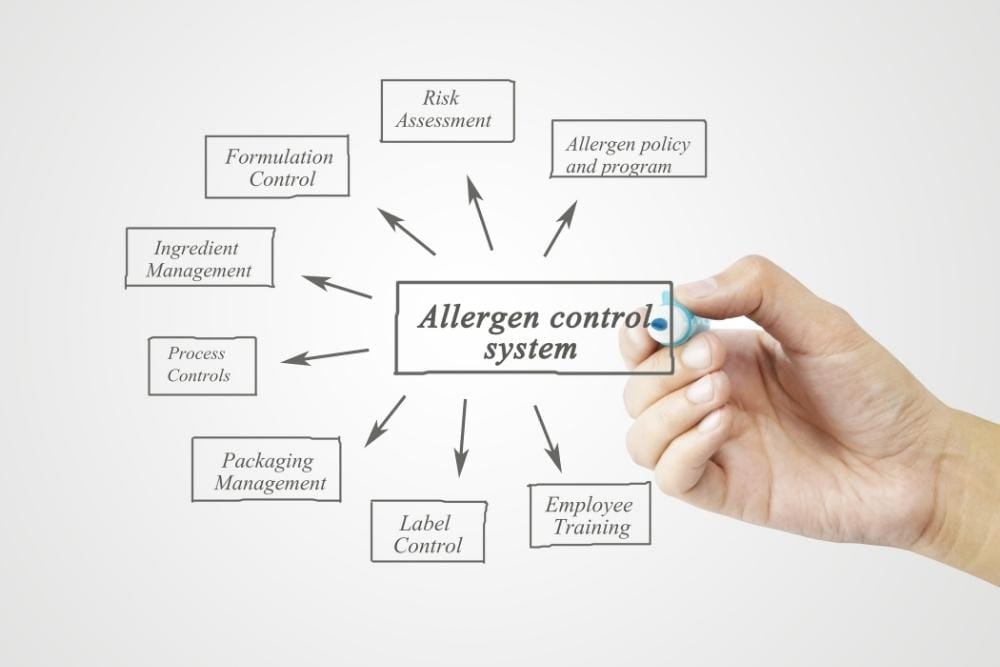
There’s another dimension to why consistency matters in food production that operations directors know well: compliance. Allergen management, HACCP procedures, and cleaning and disinfection protocols aren’t areas where variation is acceptable. A single gap in knowledge or a single deviation from process can have serious consequences.
Standardised, documented training creates an auditable record of competence across your workforce. It demonstrates that your team has been trained to a consistent standard, not that someone was shown something by someone else at some point. That distinction matters when a retailer audits your site. It matters even more when something goes wrong and you need to show what you had in place.
Want to See What Consistent Training Looks Like in Practice?
We built Foodability for operations that can’t afford for standards to vary shift by shift.
Our modules are designed to deliver the same quality of training to every operator, every time, whether you’re onboarding one person or a hundred.
Get in touch to talk through what consistency looks like for your food factory.
FAQs
Why does consistency matter in food production?
Consistent processes mean fewer errors, less waste, and more predictable output. For food manufacturers, it also directly affects compliance. Allergen handling, HACCP, and hygiene protocols all require the same standard to be applied every time, by every operator, on every shift.
How do food manufacturers reduce variation on production lines?
Variation is most effectively reduced by standardising the knowledge operators work from. Structured, repeatable training ensures everyone follows the same process regardless of experience level, shift, or how they were originally onboarded. Pair that with clear, documented procedures, and you remove the informal variation that accumulates over time.
What does building repeatable standards in food packing involve?
It starts with defining what good looks like for each role and process, then finding a reliable way to communicate that to every operator consistently. Online training modules are particularly effective here. They deliver the same content to everyone, can be updated centrally when processes change, and create an auditable record of who has been trained on what.