
Efficiency & Bitesize Learning in Food Production: What’s the Real Link?
If your line operators are still sitting through hour-long inductions before they’ve touched a piece of equipment, something’s probably already gone wrong.
The food production floor doesn’t wait, and neither does downtime. The question isn’t whether your team needs training. It’s whether the training you’re delivering is actually landing.
That’s where bitesize learning in food production makes a major difference. It’s a genuinely practical answer to one of the most persistent problems in food manufacturing: the gap between what people are taught and what they can actually do when they’re standing at the line.
Why Traditional Training Drives Food Production Downtime
Long-format training sessions made sense when factories had the luxury of time and consistency. Most don’t.
High turnover means new starters are constantly coming through the door. Language barriers mean dense, text-heavy materials don’t connect with a significant portion of the workforce. Shift patterns mean you can rarely pull a whole team into the same room at the same time.
The result is that you risk training that’s rushed, inconsistent, and quickly forgotten. And the cost shows up directly in food production downtime, in errors, and in stoppages.
The Cognitive Case for Shorter Modules
There’s solid reasoning behind why shorter learning works better.
It comes down to how people actually retain information. When content is delivered in focused, manageable chunks, each one tied to a specific task or skill, it’s easier to process, easier to remember, and far easier to apply on the line.
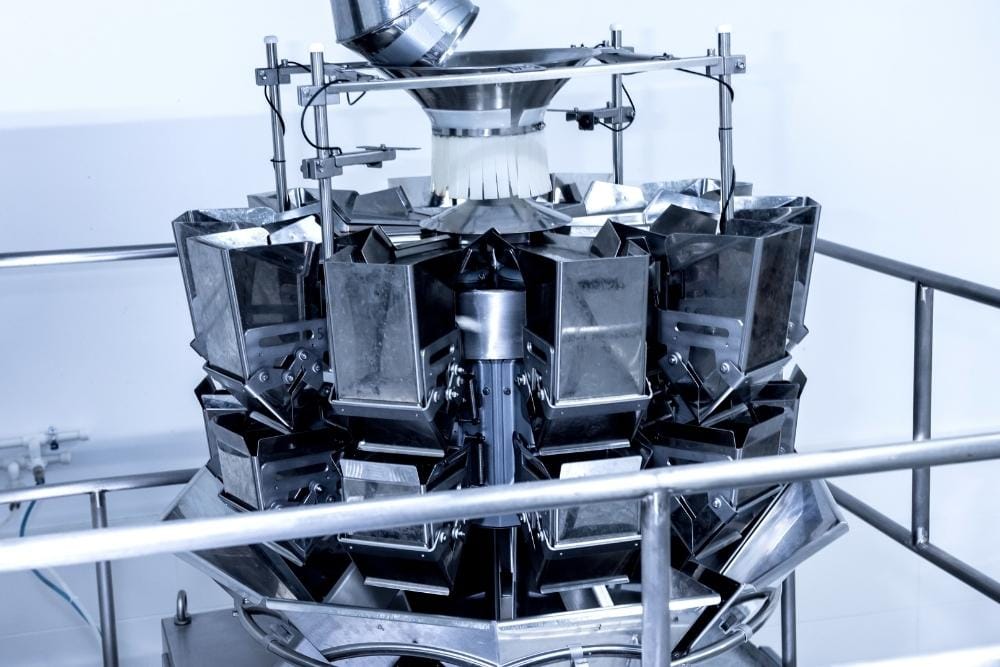
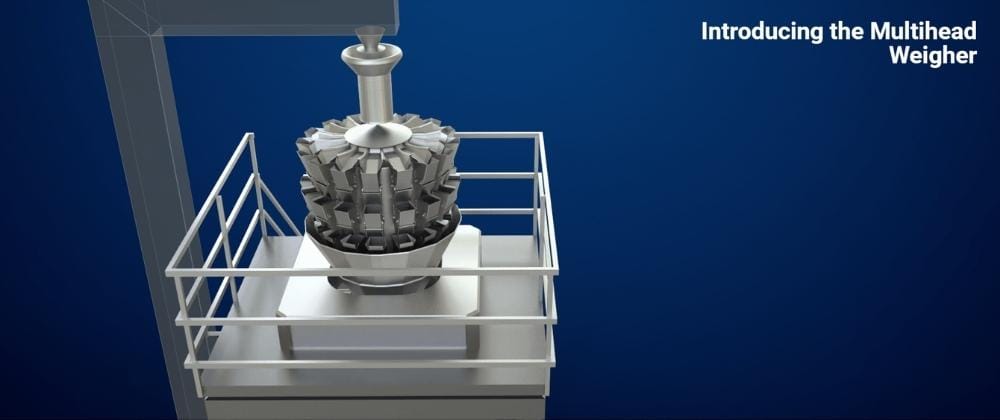
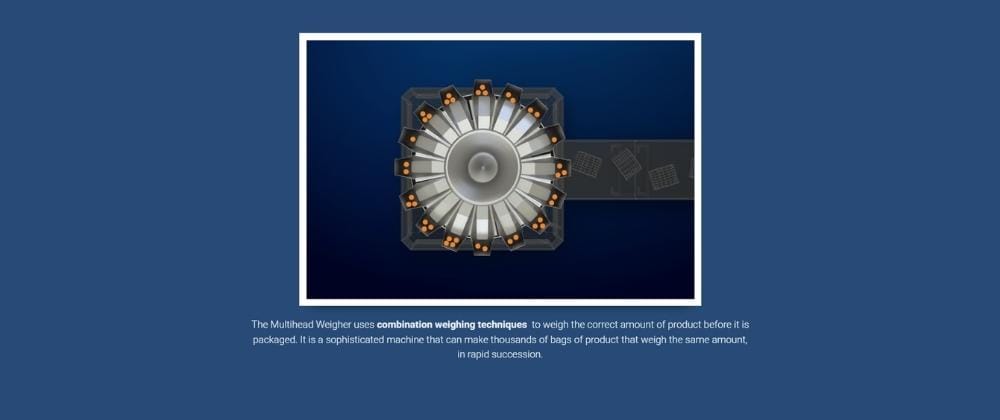
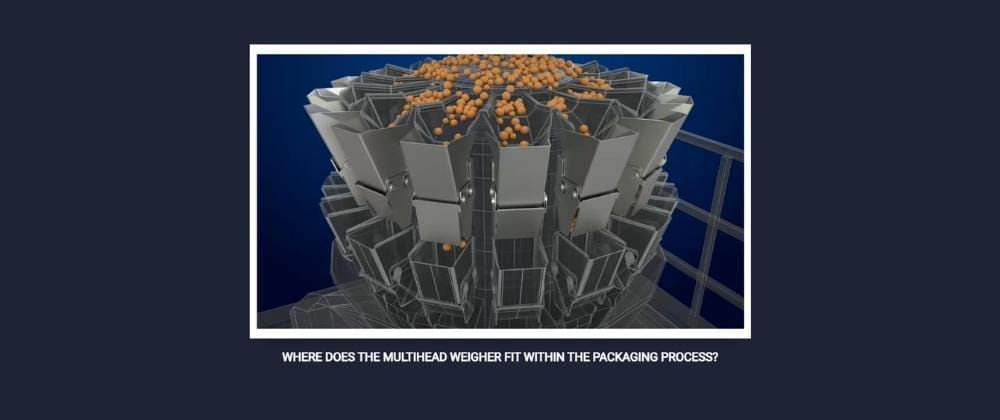
In a fast-moving packing environment, operators aren’t looking for a deep dive into theory. They need to know how to operate the multihead weigher accurately.
They need to understand allergen protocols without confusion. They need to clean and disinfect correctly every single time. Bitesize learning in food production gives them exactly that, without the cognitive overload of trying to absorb everything at once.
Microlearning for Food Factory Teams Cuts Errors at the Source
The most effective microlearning isn’t just “shorter training” as much as training deliberately designed around specific, real-world tasks, built with the operator in mind, not the compliance checklist.
Targeted Learning Means Faster Application
When a module focuses on one skill, say the initial setup and operation of a multihead weigher, operators can connect the learning directly to what they’re about to do. They just get the knowledge they need, delivered clearly, at the right moment.
That speed of application matters enormously for food factory changeover.
When shifts change, when new lines start up, or when a new starter joins mid-week, getting someone up to speed quickly reduces the window in which errors are most likely to occur. Targeted food factory training modules make that possible in a way that traditional inductions simply can’t.
Ready to See What the Right Training Could Do for Your Factory?
We’ve seen what the wrong training costs. Want to find out how quickly bitesize learning closes the gap? Get in touch with our team.
Flexibility That Works Around the Line, Not Against It
One of the most underappreciated advantages of bitesize learning in food production is accessibility. When modules are short enough to complete on a phone during a break, or on a tablet before a shift, the barrier to training drops significantly. There’s no need to schedule a dedicated session that pulls people off the floor. Learning fits around production rather than competing with it.
This flexibility is particularly valuable in factories dealing with seasonal peaks, agency workers, or rapid headcount changes. These are environments where traditional training schedules simply can’t keep up.
How Food Factories Benefit from Targeted Learning Modules
Downtime in food packing environments doesn’t just happen because of mechanical failure.
A significant portion is driven by human error, operators who aren’t confident with their equipment, who skip steps under pressure, or who weren’t trained consistently in the first place.
Consistency Across the Workforce
When every operator completes the same module, not a different version delivered by a different trainer on a different day, you get standardised knowledge across the team. That consistency is foundational to food processing efficiency. It means fewer errors, fewer stoppages, and fewer moments where a supervisor has to step in to correct something that should have been right first time.
It also matters for compliance. Whether you’re managing allergen protocols or HACCP procedures, standardised and documented training gives you a clear, auditable record of what your team knows and when they learned it.
Reducing Food Manufacturing Waste Through Better Operator Knowledge
Waste in food manufacturing generally accumulates in mis-packed products, in contaminated batches, and in rework that quietly eats into margins. A better-trained operator makes fewer of those small errors. Multiply that across a shift, across a line, across a year, and the reduction in food manufacturing waste becomes significant.
Targeted training on equipment operation, hygiene processes, and contamination prevention isn’t a soft benefit. It’s a direct input into production quality and food factory performance.
Building Food Factory Training That Keeps Pace With Production
The factories that get this right aren’t the ones with the longest induction programmes. They’re the ones with training that’s practical, accessible, and continuously improving.
That means modules built around real tasks, not generic food safety theory, but the specific skills your operators need to run your lines well. It means training that updates as your processes evolve, rather than a printed manual that’s outdated before the ink dries. And it means content that works for a diverse workforce, clear, visual, and free of jargon that creates more confusion than confidence.
Want to Transform Your Food Factory Training?
We built Foodability for factories that can’t afford for training to be an afterthought. Every module we produce has been developed with industry specialists who know what the floor actually looks like.
They’re designed to be completed in manageable sessions, on any device, without requiring a training room, a facilitator, or a two-hour window in an already stretched schedule. That’s what practical food manufacturing training looks like in practice.
Whether you’re tackling high turnover, inconsistent standards, or persistent downtime, our bitesize modules give your operators the knowledge they need to perform confidently from day one.
Take a look at our courses or get in touch to find out what would work best for your production environment.
FAQs
Does bitesize learning actually improve food factory efficiency?
Yes. Focused modules tied to specific tasks are retained and applied faster than long, generalised sessions. In food manufacturing, that translates directly to fewer line errors, more confident operators, and less food production downtime.
How does microlearning for food factory teams reduce waste?
Better-trained operators make fewer errors, fewer mis-packed products, fewer contaminated batches, and less rework. When every team member completes the same standardised module, those small improvements compound across shifts and significantly reduce food manufacturing waste over time.
What training works best in a bitesize format for food production?
Equipment operation, allergen awareness, cleaning and disinfection, and contamination prevention all suit microlearning well. They’re task-specific, immediately applicable, and exactly the kind of knowledge that improves food processing efficiency when operators can access it quickly and revisit it easily.